The allure of day trading is undeniable: the promise of quick profits, the thrill of rapid market movements, and the dream of financial independence. But beyond the headlines and success stories, a crucial question looms for anyone considering this path: Who is day trading for? Assessing your readiness and suitability isn't just a suggestion; it's a non-negotiable prerequisite. This isn't a game for the faint of heart, the ill-prepared, or those unwilling to confront brutal market realities. It's a demanding discipline that tests not just your intellect, but your entire being – your temperament, your lifestyle, and your genuine comfort with significant risk.
Before you dive in, let’s get brutally honest about what it truly takes.
At a Glance: Is Day Trading for You?
- Emotional Discipline is Key: Success hinges on staying calm under pressure, adhering to your strategy, and learning constructively from losses.
- Analytical Mindset: You'll need to be data-driven, recognizing patterns and making objective decisions. This isn't about gut feelings.
- Significant Time Commitment: Expect to dedicate 50-60 hours a week, including pre-market prep, active trading, post-market review, and continuous education.
- Substantial Financial Prerequsites: A minimum of $25,000 for pattern day trading in the US, plus 6-12 months of living expenses separate from your trading capital, is essential.
- High Risk Tolerance: You must be comfortable with rapid, high-stakes decision-making and the very real possibility of substantial losses.
- Dedicated Environment: A distraction-free workspace with robust equipment and reliable internet is a necessity, not a luxury.
- Continuous Learning: The markets evolve, and so must your knowledge and strategies.
Beyond the Hype: Is Day Trading Right for You?
Day trading involves buying and selling financial instruments within the same trading day, aiming to profit from small, short-term price fluctuations. Unlike long-term investing, which relies on patient growth, day trading is a high-octane sprint that demands immediate attention and rapid execution. It’s a strategy fraught with risk, and the vast majority of individual traders don't succeed over the long haul.
So, who does it suit? Ultimately, success in day trading isn't just about market knowledge or access to capital; it's about a deep alignment between your personal temperament, your lifestyle, and your inherent risk tolerance with the fast-paced, unpredictable realities of the market. Let's break down these critical compatibility factors.
The Day Trader's Mindset: Do You Have the Right Personality?
The market doesn't care about your feelings, but your feelings can certainly derail your trading. The most successful day traders exhibit a specific set of personality traits that allow them to navigate the emotional rollercoaster of intra-day price movements.
Emotional Discipline: The Unsung Hero
Imagine watching your capital fluctuate wildly within minutes. Panic, greed, fear, hope – these emotions are natural, but in day trading, they are lethal. A disciplined trader can remain calm and objective under intense pressure, sticking to their pre-defined strategy even when things get tough. They understand that losses are an inevitable part of the game and can accept them constructively, cutting trades that go south without hesitation or emotional attachment.
Research consistently shows that traders with strong emotional mastery tend to achieve 25-30% better performance. This isn't about being emotionless; it's about acknowledging emotions and preventing them from dictating your actions. Can you pull the plug on a losing trade without letting "hope" take over? Can you resist chasing a skyrocketing stock out of "fear of missing out"? Your answer to these questions is a powerful indicator of your potential for success.
An Analytical Engine: Data-Driven Decisions
Day trading is not gambling; it's a sophisticated analysis of probabilities. You need a mindset that thrives on data, pattern recognition, and objective evaluation. This means constantly observing market patterns, dissecting charts, understanding indicators, and making decisions based on evidence, not hunches.
Analytical traders often dedicate 2-3 hours every day just to reviewing data – scanning market news, analyzing past trade performance, and refining their understanding of technical setups. This isn't a "set it and forget it" activity. It requires a curious mind, a meticulous approach, and the ability to synthesize vast amounts of information quickly to form actionable insights. If you prefer to make decisions based on intuition or struggle with detailed data analysis, day trading will likely be an uphill battle.
Self-Discipline & Routine: Consistency is King
The market opens at the same time every day, and so should your trading routine. Consistency is the bedrock of profitable day trading. This manifests as strict adherence to a trading schedule, diligent market research (even on days you don't trade), unwavering commitment to a tested strategy, and meticulous journaling of every trade – wins and losses alike.
Disciplined traders can see risk-adjusted returns up to 40% better than their less consistent counterparts. Why? Because they eliminate impulsive decisions. They prepare, they execute their plan, they review, and they learn. They don't jump into trades on a whim; they wait for their specific setup to appear. If you struggle with maintaining routines, procrastinate on detailed tasks, or find yourself easily swayed by distractions, building the necessary discipline for day trading will be a significant challenge. This isn't a side hustle you can just pop into when you feel like it.
Lifestyle Compatibility: Can Your Life Support Day Trading?
Day trading isn't just a job; it's a lifestyle. It demands specific resources and an accommodating personal situation. Your readiness isn't just about who you are, but also about the life you lead.
The Time Commitment: It's More Than Just Market Hours
Many assume day trading means just being at your computer for a few hours during market open. The reality is far more demanding. A serious day trader typically commits 50-60 hours per week. This isn't an exaggeration; it's a conservative estimate.
Here’s a breakdown:
- Pre-Market Preparation (1-2 hours daily): This involves reviewing overnight news, analyzing economic reports, identifying potential setups, and charting key levels. You're studying the playbook before the game even starts.
- Active Trading (4-6 hours daily): This is the intense period of execution, monitoring, and decision-making during market hours. You're glued to your screens, reacting in real-time.
- Post-Market Review (1-2 hours daily): Analyzing your trades, understanding what worked and what didn't, reviewing market movements, and planning for the next day. This is where the crucial learning happens.
- Ongoing Education (5-10 hours weekly): Markets are dynamic. You need to constantly learn new strategies, refine your skills, study market psychology, and stay abreast of global economic factors.
If your current job, family responsibilities, or other commitments prevent you from dedicating this significant amount of focused time, day trading will be incredibly difficult to pursue effectively. This isn't a passive income stream; it's an active, full-time engagement.
Financial Prerequisites: Beyond Just Trading Capital
This is where many aspiring traders hit a wall. Day trading isn't cheap to get into, and you need a robust financial safety net.
- Pattern Day Trader Rule (US): In the United States, if you execute four or more day trades within five business days in a margin account, you're designated a "pattern day trader" (PDT). This comes with a strict requirement: you must maintain a minimum equity of $25,000 in your account. Drop below that, and you can be restricted from trading. This isn't just a starting capital; it's a minimum balance you must maintain.
- Living Expenses Buffer: Your trading capital should be entirely separate from your savings for living expenses. Experts recommend having at least 6-12 months of living expenses saved before you even consider funding a trading account. Day trading profit is never guaranteed, especially early on. You cannot rely on trading profits to pay your rent or buy groceries.
- Emergency Fund: Beyond living expenses, a separate emergency fund for unexpected events (medical, car repairs, etc.) is crucial.
- Alternative Income: Ideally, you should have another reliable source of income, especially when starting out. This removes the immense pressure to profit immediately, allowing you to learn and refine your skills without the added stress of financial desperation.
Traders who start with sufficient capital often have a 300% higher chance of success in their first year. This isn't just about having money; it's about the psychological freedom that comes from not needing to win every trade.
Your Trading Environment: Building Your Command Center
Day trading demands an optimal environment. This isn't a laptop-on-the-couch activity.
- Dedicated, Distraction-Free Space: You need a quiet, private area where you can focus intently for hours without interruption. Think of it as your cockpit.
- Multiple Monitors: Most professional day traders use at least two, often three or more, monitors to simultaneously track charts, market news, order books, and other critical data. This enhances situational awareness and reaction time.
- High-Speed Internet with Backup: A stable, fast internet connection (minimum 100Mbps recommended) is paramount. Even a few seconds of lag can cost you significant money. A backup internet source (e.g., a mobile hotspot) is a smart contingency.
- Power Backup: A good uninterruptible power supply (UPS) can save you from disastrous situations during a power flicker or outage, giving you time to close positions safely.
- Specialized Hardware & Software: A powerful computer, trading platforms, charting software, and potentially data feeds are all part of the setup.
An optimized trading environment can boost execution speed by up to 40% and reduce errors by 60%. This isn't about luxury; it's about operational necessity. Every element of your setup is a tool to give you an edge.
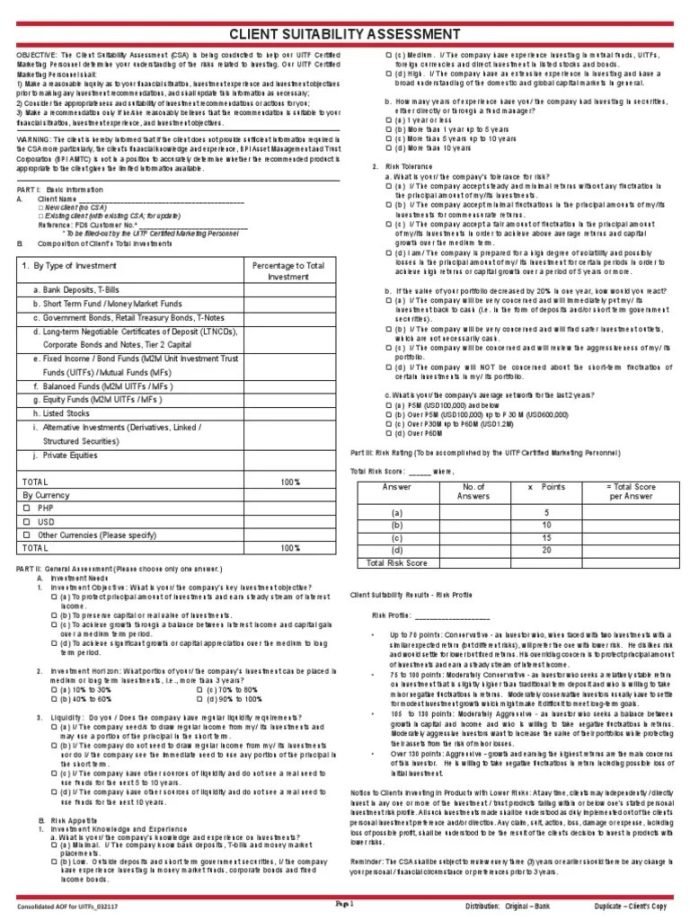
Evaluating Your Risk Tolerance: A Candid Self-Assessment
Risk is at the heart of day trading. Understanding and managing it is the difference between fleeting excitement and sustained activity. Your true comfort level with risk, both financially and psychologically, is a critical determinant of suitability.
Financial Risk Capacity: What Can You Afford to Lose?
This is about cold, hard numbers. It's not just "how much money do I have?" but "how much of this money am I genuinely prepared to lose without it impacting my life?"
- Assess Financial Obligations: Do you have a mortgage, car payments, student loans, or other debts? Your existing liabilities directly impact how much capital you can realistically afford to risk.
- Income Reliability: If your income is volatile or uncertain, taking on high-risk trading activities might be imprudent.
- Portfolio Diversification: Is your overall financial portfolio diversified? Day trading capital should only ever be a small, speculative portion of your total net worth, not your entire nest egg.
- Percentage of Capital at Risk: Experienced traders rarely risk more than 1-2% of their total trading capital on any single trade. They also aim for a risk-to-reward ratio of 1:2 or better, meaning they expect to gain at least twice what they risk on a successful trade.
Be honest: what percentage of your liquid assets could disappear tomorrow without causing you significant financial hardship or emotional distress? Only that amount (or a portion of it) should be considered for day trading.
Psychological Risk Tolerance: How Do You Handle Pressure?
Beyond the financial numbers, there's the mental game. How do you react when the stakes are high, decisions are urgent, and outcomes are uncertain?
- Comfort with Rapid Decisions: Day trading often requires split-second choices. Can you process information quickly and execute a decision without paralysis by analysis?
- Ability to Recover from Losses: Every trader experiences losses. How do you bounce back? Do you become reckless, or do you analyze the mistake, learn, and move on? Individuals with a balanced risk perspective tend to outperform those at either extreme (too risk-averse or too reckless) by up to 45%.
- Personal Risk Orientation: Are you naturally adventurous, or do you prefer certainty? While a degree of adventurousness helps, a truly balanced approach is superior. Too much thrill-seeking can lead to impulsive, poorly thought-out trades. Too much caution can lead to missed opportunities.
This isn't about being fearless; it's about managing fear and making rational decisions in its presence.
Market Risk Understanding: Knowing the Battlefield
You can't effectively tolerate a risk you don't fully understand. Day trading markets are complex and fraught with inherent dangers.
- Volatility: Prices can swing wildly in minutes due to news, algorithms, or sheer market sentiment. Do you understand how to gauge and respond to extreme volatility?
- Leverage/Margin Risk: Many day traders use leverage (borrowed money from their broker) to amplify their trading power. While this can magnify gains, it equally magnifies losses, potentially leading to margin calls where you're forced to deposit more funds or liquidate positions.
- Asset Correlation: Do you understand how different assets (e.g., stocks, bonds, commodities, currencies) move in relation to each other, and how this impacts your overall portfolio exposure?
- Economic & Geopolitical Influence: Global events, central bank decisions, and political instability can trigger sudden, dramatic market shifts. A deep awareness of these macro factors is crucial.
Traders with a strong awareness of these market risks demonstrate up to 50% higher risk-adjusted returns. They're not just trading; they're navigating a complex, interconnected system.
The Hard Truth: Inherent Risks of Day Trading
Let’s be crystal clear: day trading is inherently a high-risk endeavor. It's vital to acknowledge these risks upfront to make an informed decision about your suitability.
High Probability of Loss
The vast majority of individual day traders fail and lose money. Market movements are unpredictable, and even the most skilled traders experience losing streaks. The use of leverage, while offering magnified profits, also amplifies losses, potentially leading to "margin calls" where you're forced to inject more capital or have your positions automatically closed at a loss. Never trade with money you cannot afford to lose.
Significant Capital Requirements
As mentioned, the $25,000 minimum equity for "pattern day traders" in the US is not a suggestion; it's a regulatory mandate for margin accounts. Attempting to day trade with less capital significantly restricts your options and increases your risk of falling below the minimum, leading to trading restrictions.
Hidden Costs & High Taxes
Frequent trading generates substantial transaction costs, including commissions, exchange fees, and potentially software subscriptions. These costs can quickly erode small profits. Furthermore, profits from day trading are considered short-term capital gains, which are typically taxed at ordinary income rates – often much higher than long-term capital gains rates. This means a significant portion of your gross profits will go to taxes.
Ready to Explore Further? Your First Steps into Day Trading
If, after this rigorous self-assessment, you still believe day trading aligns with your personality, lifestyle, and risk tolerance, here's a practical roadmap for your initial steps.
Step 1: Choose Your Broker Wisely
Not all brokers are created equal, especially for day traders. Look for one that offers:
- Robust Trading Platforms: Fast execution, advanced charting tools, and customizable interfaces are essential.
- Low Commissions/Fees: Since you'll be making many trades, competitive pricing is crucial.
- Reliable Data Feeds: Real-time market data is non-negotiable.
- Research & Educational Resources: Many brokers offer webinars, tutorials, and market analysis that can be invaluable.
- Customer Support: When an issue arises in a fast-moving market, you need quick, knowledgeable support.
Step 2: Optimize Your Trading Setup
Your physical environment matters. Create a dedicated, quiet workspace free from distractions. Invest in:
- A powerful computer: Capable of handling multiple applications and high data loads.
- Multiple high-resolution monitors: For simultaneous monitoring of charts, news, and order flow.
- High-speed, reliable internet: With a backup solution.
- An uninterruptible power supply (UPS): To protect against sudden power outages.
Step 3: Develop a Solid Trading Strategy
This is the intellectual cornerstone of day trading. Don't just jump in.
- Research & Learn: Understand various day trading strategies (e.g., range trading, breakout trading, news trading).
- Practice with a Simulator: Many brokers offer "paper trading" or simulated accounts. This allows you to practice your strategies with virtual money in real market conditions, refining your skills without risking capital.
- Join Communities: Reputable trading communities, forums, or educational webinars can provide insights and mentorship.
- Create Your Own Rules: Define your entry and exit points, position sizing, risk management parameters (e.g., maximum loss per trade/day), and how you will manage emotions. Write it down, and stick to it.
Step 4: Fund Your Account Responsibly
Once you've chosen a broker and developed a robust strategy tested in a simulated environment, it's time to fund your live account.
- Meet the Minimum: Deposit at least $25,000 if you plan to be a pattern day trader in a US margin account. Consider funding with more as a buffer against early losses.
- Use Discretionary Capital: Crucially, ensure this capital is money you are 100% prepared to lose without it affecting your financial well-being or lifestyle.
Common Day Trading Strategies (A Quick Overview)
Understanding the basic approaches can help you find a strategy that resonates with your analytical style.
- Range Trading: This involves identifying a price range where a stock or asset repeatedly bounces between a support level (a price floor) and a resistance level (a price ceiling). Traders buy near support and sell near resistance.
- Breakout Trading: Here, traders look for a stock's price to "break out" above a resistance level or below a support level with significant volume, indicating strong momentum. The goal is to ride the momentum as the price continues in the breakout direction.
- Pullback Trading: After a strong price move (an uptrend or downtrend), the price often "pulls back" or retraces slightly before resuming its original direction. Pullback traders try to enter positions during this temporary retracement, anticipating the trend will continue.
- News Trading: This strategy involves capitalizing on the immediate market reaction to significant news announcements, such as economic reports, earnings releases, or geopolitical events. Traders anticipate how the market will react and position themselves accordingly, often before the news is fully digested.
A Journey of Continuous Learning and Discipline
Day trading is not a destination; it's an ongoing journey. It demands an extraordinary blend of emotional discipline, sharp analytical skills, unwavering self-discipline, and robust risk management. The statistics are stark: the majority of individual day traders do not succeed in the long term.
However, for those rare individuals who possess the right temperament, lifestyle, and financial fortitude, and who are committed to continuous learning and rigorous self-improvement, day trading can be a challenging yet potentially rewarding pursuit. The key is to approach it with realism, preparation, and an unshakeable commitment to managing yourself as much as you manage your trades. Your readiness and suitability aren't just about what you know; they're about who you are.